Federal Planning Bureau


Alex VAN STEENBERGEN (Coordinator) is an economist with 17 years of experience at the Federal Planning Bureau (FPB). Currently, he is responsible for the « Energy & Climate » team at the FPB. His interests lies in the cross-roads between public finance, labour economics and environmental policy.
Within the E4BEL project, he takes care of developing the Computable General Equilibrium (CGE) model and devising creative links between that macro-oriented model and the micro-simulation model.
Contact: avs@plan.be
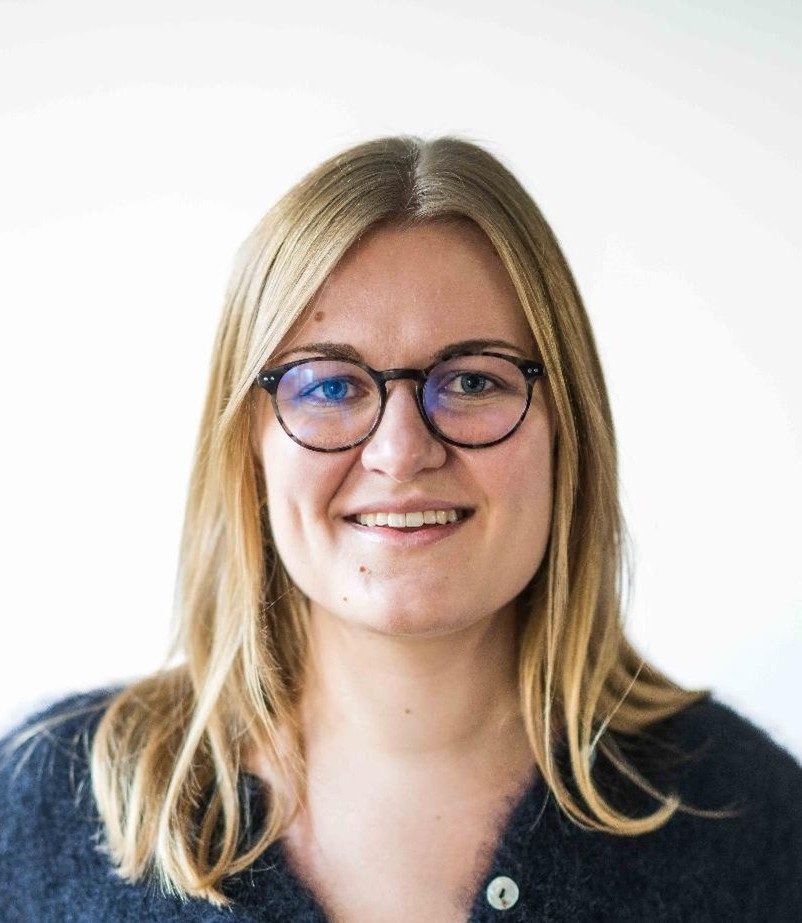
Joséphine MARTIAT is working as an economist in the “Energy & Climate” team at the FPB. Since her master’s thesis on the transition between brown and green jobs based on workers’ skills, she has developed a strong interest in the labor market developments in relation to climate change and the policies it imposes.
Within the E4BEL project, she works in particular on the heterogeneous representation of labour demand.
Contact: jom@plan.be
KU Leuven – HIVA

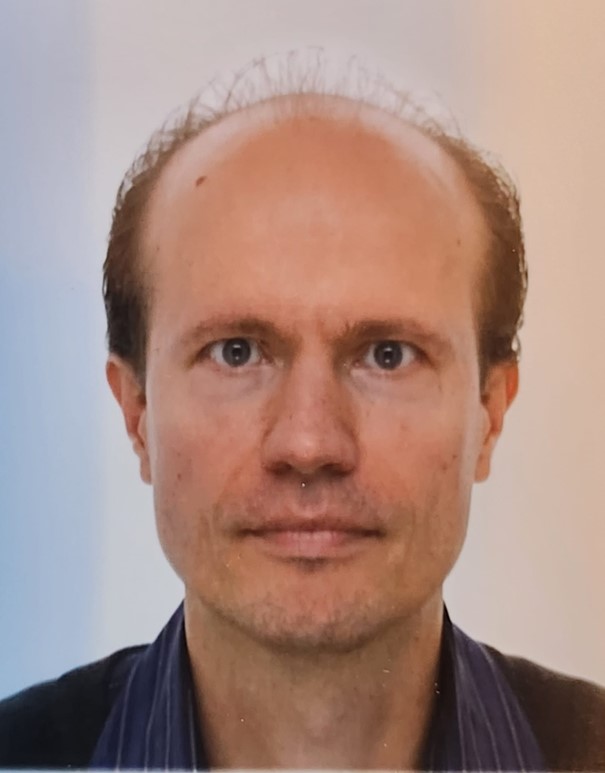
Prof. Dr. Kris BACHUS is the promoter of the E4BEL research line on the acceptability of carbon pricing and the climate tax shift. He is research manager of climate and sustainable development at the HIVA research institute at the University of Leuven, and associate professor in environmental policy at the University of Antwerp. His PhD in social sciences was entirely devoted to the topic of environmental taxation, which the central theme in Kris’ expertise.
For more than 25 years, Kris has headed HIVA’s climate and environment research group. Since 2004, he has carried out five studies on the greening of the tax system in Flanders and Belgium. In addition, he has participated fifteen times to the Annual Global Conference on Environmental Taxation. Kris also supervises several other major studies on circular economy. He was the promoter of the SBO project MICHELLE (2020-2024), on the impact of the circular economy on the labor market, and also coordinator of the H2020 project Pop-Machina (2019-2023) on the circular maker movement. Furthermore, Kris is one of the promoters of the SBO project DEER, on policy instruments for demand-side measure for the climate.
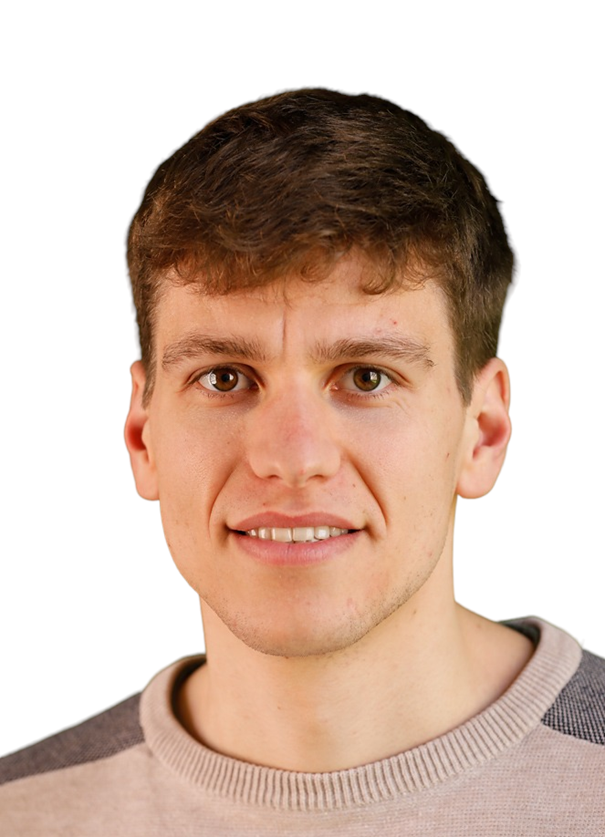
Jeroen BARREZ holds a master’s degree in Contemporary History (2016), Economic Policy (2017) and Economics (2024) at KU Leuven. From 2017 to 2022, Jeroen worked in the research department of the Belgian public service on Social Inclusion and Combatting Poverty. In this role, he contributed to evidence-based social policies at the federal level in Belgium.
Since November 2022, Jeroen has been working as a PhD candidate within the Climate and Sustainable Development research group at HIVA, KU Leuven. The primary focus of his PhD study is investigating which factors and to what extent those factors affect the public acceptability of carbon pricing in Belgium. In particular, he will test how the use of carbon pricing revenues and whether providing information might affect public acceptability. His PhD project is embedded in the E4BEL project, which investigates trade-offs in public acceptability, equity, economic and environmental performance of carbon pricing policies
KU Leuven – Faculty of Economics and Business


Prof. Dr. André DECOSTER (Promotor) is a professor emeritus at the Faculty of Business and Economics of KU Leuven, where he teaches the course “Public Finance”. He was born in Avelgem (Belgium) in 1958 and obtained his PhD at KU Leuven in 1988. Since 1994 he has been a Staff member of the Public Economics research group of the department of Economics of the Faculty of Economics and Business of KU Leuven. He is a Senior Research Fellow at WIDER (World Institute for Development Economics Research in Helsinki).
His research and publications broadly belong to “applied welfare analysis”. It concerns the construction and use of microsimulation models and household micro-data, with special focus on indirect taxes, labour supply, the evaluation of tax reforms and the empirical analysis of changes in inequality and/or poverty both at the national and international level. For the latter he devotes special attention about how to measure individual welfare. His research is based on the empirical analysis of micro data: household budget surveys, household income surveys and administrative data, how to combine them and how to align them with macro data from the national accounts.
More info and list of publications on his website: www.andredecoster.be
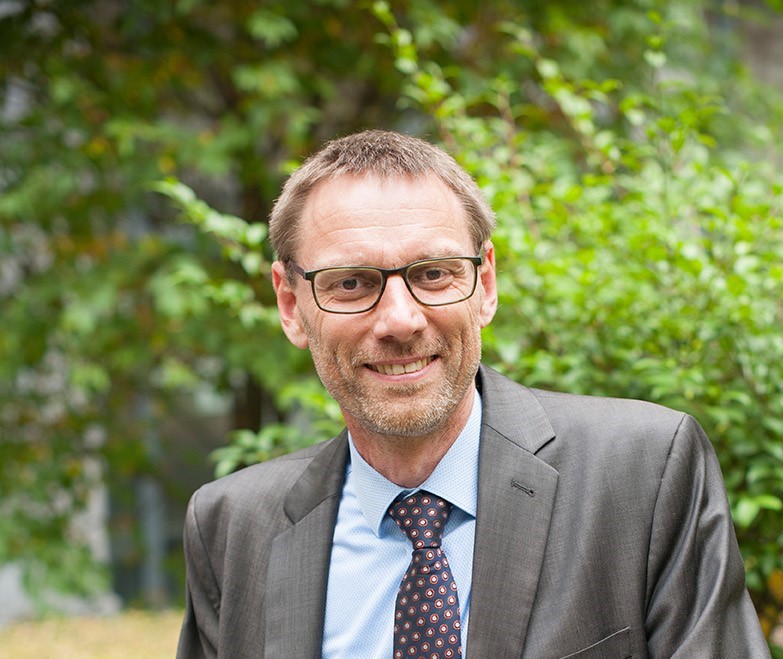
Prof. Dr. Johan EYCKMANS studied business economics at the University of Antwerp and went on to earn a master’s degree in economics at the KU Leuven. He was a Paul-Henri Spaak fellow of the Belgian National Fund for Scientific Research and in 1997, he successfully defended his doctoral thesis at the Faculty of Economics and Business at KU Leuven on the incentives of countries to sign into and to comply with international environmental agreements.
From 1998 to 2004, Johan Eyckmans was a postdoctoral fellow at the Research Foundation – Flanders. At the end of 2004, he moved to the EHSAL Hogeschool in Brussels. Since 2013, Johan Eyckmans has been a professor of environmental economics at the KU Leuven, Department of Economics, where he is a member of the CEDON (Centre for Economics and Corporate Sustainability) research group.
His teaching includes environmental and resource economics at intermediate and advanced levels. His research interests include the economics of climate change, applications of game theory to the formation of international environmental agreements, the economics of waste and materials, circular economy, numerical general equilibrium models and integrated assessment models, evaluation of environmental policy instruments and cost-benefit analysis including monetary valuation techniques.
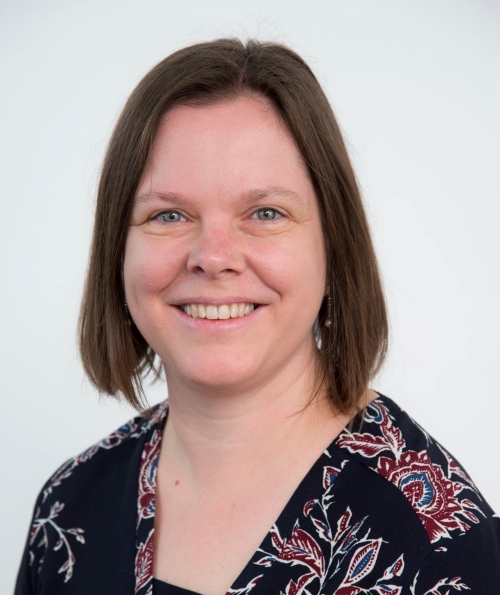
Prof. Dr. Sandra ROUSSEAU is a professor of environmental economics at the Department of Economics of the KU Leuven in Belgium. The main focus of her research is the design, implementation and evaluation of environmental policy instruments. Currently, she uses economic modeling and survey-based methods to select optimal policies, identify responses of consumers and producers, and assess the expected consequences of policy actions. Her research revolves around two complex and related issues: facilitating the circular transition and managing our natural environment.
Within the E4BEL project, she provides expertise in measuring public acceptance through surveys including stated preference methods.
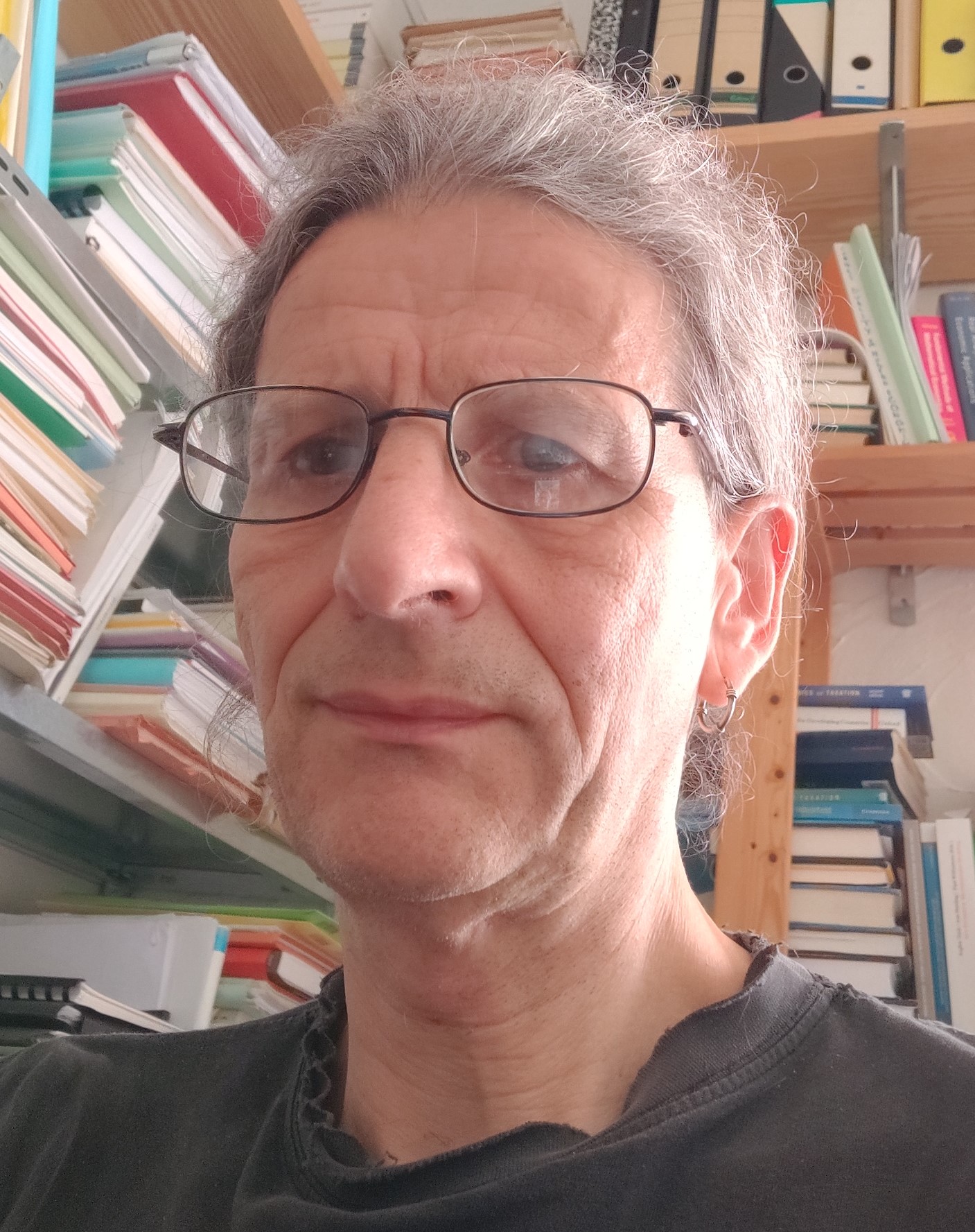
Dr. Bart CAPÉAU is a philosopher (master) and economist (PhD). His main interests are welfare economics, well-being and inequality measurement. He is currently working at ECARES (ULB) and is also affiliated at FEB KU Leuven.
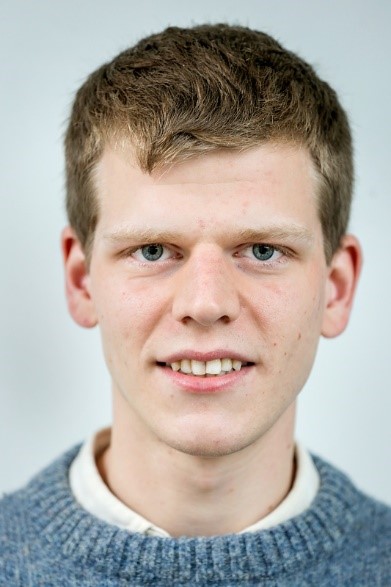
Stijn VAN HOUTVEN is a PhD-researcher in Public Economics at the Department of Economics of the University of Leuven. His current research centers around the direct and indirect distributional effects of carbon pricing, with a focus on labour market implications and optimal revenue recycling.
Previously, he worked on developing and updating several arithmetic microsimulation models, such as the Belgian module of EUROMOD and administrative tax-and-benefit models for Belgium (BELMOD and FANTASI), and he conducted policy-oriented research on, amongst others, labour supply and distributional impact assessments of policy changes, labour market changes, and rising energy prices.
He holds a master’s degree in Economics from the University of Leuven and a master’s degree in Political Science from the Free University of Brussels.